

Product
PRODUCT
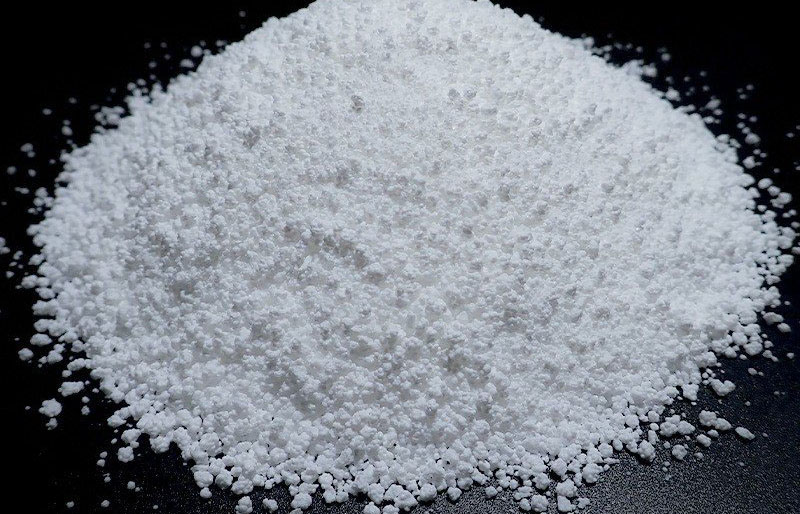
Styrene Ethylene Butene Styrene Block Copolymer (SEBS) is one of the main products of Shanghai Haihai Zhonglong Technology Co., Ltd. It is highly praised for its reliable quality, stable performance, and reasonable price. The manufacturer has sufficient supply of SEBS. Please come here to learn more details. For procurement, please contact 021-56070698
SEBS is a thermoplastic elastomer with the elasticity of rubber and the processability of plastic. Its main physical properties are as follows:
- ElasticSEBS has excellent elasticity at room temperature and can quickly recover to its original state under stress.
- Weathering resistanceDue to the saturation of the double bonds in its molecules, SEBS exhibits excellent weather resistance, ozone resistance, and chemical corrosion resistance.
- ProcessabilitySEBS has good thermoplastic and flowability, and can be processed like plastic, such as injection molding, extrusion, blow molding, etc.
- CompatibilitySEBS can be blended with various polymers to improve material properties and expand its application range.
SEBS has been widely used in multiple fields due to its unique physical and processing properties:
Thermoplastic elastomer: used to manufacture products that require elasticity, weather resistance, and heat resistance, such as shoe soles, seals, and automotive components.
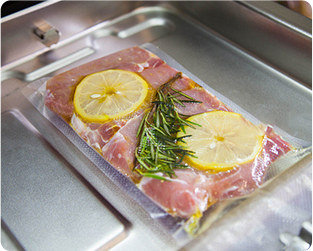 Plastic modificationAs a toughening or modifying agent, it is used to improve the impact toughness, cold resistance, and other properties of plastics.
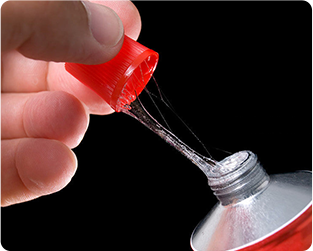 AdhesiveUsed for manufacturing high-performance pressure-sensitive adhesives, hot melt adhesives, etc.
 Wire and cableAs an insulating or sheathing material, it is used to improve the weather resistance and heat resistance of wires and cables.
 Medical fieldUsed for manufacturing medical devices such as catheters and infusion sets.
 Sports equipmentHandle and grip used to manufacture sports equipment such as golf clubs and snowboards.
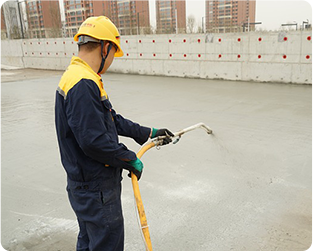 In the field of architectureUsed for manufacturing waterproof materials, sealing materials, etc.
 Other fieldsIt is also widely used in fields such as coatings, inks, cosmetics, etc.
Differences from SBS:
(1) Structural features: SEBS is a hydrogenated product of SBS, where the double bonds in SBS are hydrogenated and saturated. This makes SEBS have a more stable chemical structure, with significantly better weather resistance, heat resistance, and aging resistance than SBS.
(2) Application areas: SBS is mainly used in the fields of shoe materials, asphalt modification, and adhesives. Due to its excellent weather resistance and heat resistance, SEBS is more suitable for advanced applications such as automotive components, wire and cable insulation, medical devices, and other fields that require higher performance requirements.
Differences from SIS:
(1) Adhesion: SIS has very strong adhesion, which makes it advantageous in producing products that require high adhesion, such as label adhesive, pressure-sensitive adhesive, etc. The adhesion of SEBS is relatively weak.
(2) Heat resistance: The heat resistance of SEBS is much better than that of SIS, so SEBS can maintain good performance in high temperature environments, while SIS may reduce its viscosity in such environments.
Differences from SEPS:
(1) Transparency: SEPS has excellent transparency and is suitable for products that require high transparency, such as transparent adhesives, transparent labels, etc. The transparency of SEBS is relatively low.
(2) Application area: SEPS is mainly used in products that require transparency due to its high transparency. SEBS is widely used in fields such as automobiles, wires and cables, medical devices, etc. that do not require transparency.
Model | Structure | Embedding ratio | 300%Tensile strength Mpa | Tensile strength Mpa | Elongation(%) | Hardness Shore A | 25 ℃, 25% toluene solution viscosity Mpa |
YH-501T | Linear | 30/70 | 5 | 20 | 490 | 76 | 600 |
YH-502T | Linear | 30/70 | 4 | 27 | 540 | 73 | 180 |
YH-503T | Linear | 33/67 | 6 | 25 | 480 | 74 | 2300 |
YH-504T | Linear | 31/69 | 5.0 | 26 | 480 | 74 | |
YH-602T | Radial | 35/65 | 6.5 | 27 | 500 | 89 | 250 |
YH-604T | Radial | 33 | 5.8 | 30 | 530 | 78 | 2200 |
YH-688 | Radial | 13/87 | 1.4 | 10 | 800 | 45 |